• PARTNER: PROTECT YOUR WATERS
  • Go To: THE FLIES OF YELLOWSTONE
  • Go To: YELLOWSTONE FISHING WEATHER
  • Go To: YELLOWSTONE FLY FISHING MAPS
  • Visit: Moldy Chum
  • Visit: The Horse's Mouth
  • Visit: Chi Wulff
  • Visit: Parks' Fly Shop
  • Showing posts with label Invasive Species. Show all posts
    Showing posts with label Invasive Species. Show all posts

    Wednesday, March 24, 2021

    Trout Be Gone !!

    WILDERNESS INVASION

    The Damn Rainbows

    we'll fix it

    -------  


    .. In a continuing effort to remove invasive Rainbow Trout from the Slough Creek/Lamar River/ Yellowstone River system the current environmental assessment shows the way.

    .. Above it's barrier falls Buffalo Creek was naturally fishless. Rainbow Trout were planted in Hidden Lake in 1935. They migrated downstream in the Buffalo River to Slough Creek and commenced to hybridize with the native Cutthroat Trout.

    .. The current proposal is to remove the invasive species from above the barrier falls to provide a refuge for the native Cutthroat Trout.

    .. Yellowstone National Park, Montana Fish Wildlife and Parks and the National Forest Service are cooperating in this effort. There is a comment email address for response from the public, (fwpregion5pc@mt.gov)

    RESOURCES

    >> Billings Gazette

    >> Draft EA

    >> MoldyChum

    >> Montana FWP Cutthroat Trout Story

    -------  

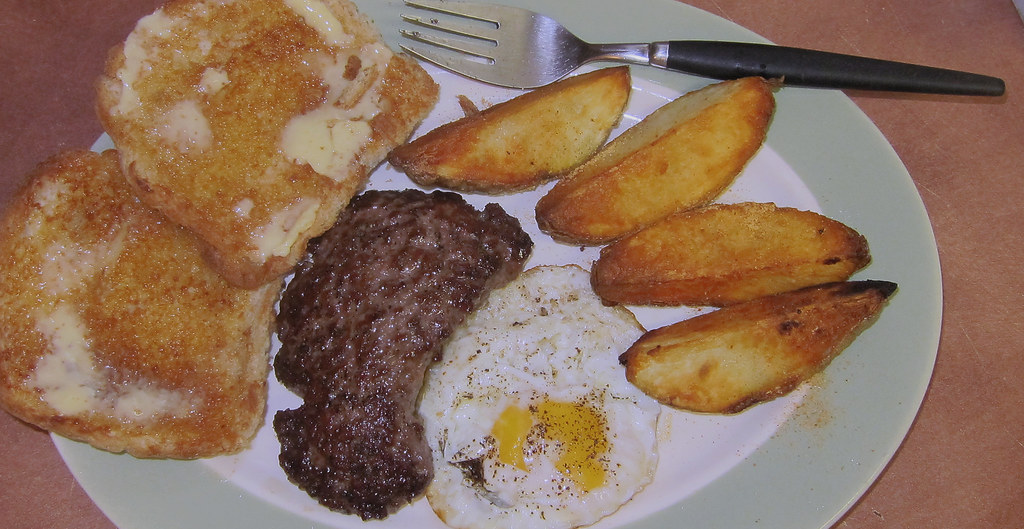
    WALLPAPER: HOT BEEF SANDWICH & MASHED SPUDS

    Friday, March 09, 2018

    Grandma Said

    HEARD ABOUT IT
    Saw It Coming
    "like" comes in bunches
    ONLY PARTIALLY AT FAULT
    -------  
    .. Grandma gets smarter as we get older.
    .. She was full of nifty bits of wisdom: ". . .  a stitch in time." "Many hands make light work." "A penny saved . . ." and so forth: your grandma said 'em all too.
    .. She also said "Like comes in bunches." Well, a  'bunch'  just arrived. [1]Yellowstone National Park has banned felt soles on waders and wading boots, [2] Yellowstone National Park has instituted a new  'boating season,' [3]Yellowstone River fish kill = more than meets the ear, [4] Gallatin River is in for another turd storm.
    .. #1 - News release that announces the felt sole ban is here,
    .. #2 - News release for new boating season is here,
    .. #3 - The rest of the story about the 2016 fish kill on the Yellowstone River is here,
    .. #4 - Mumblings from the neighbors down canyon [old news may be happening again] here.
    -----  
    PROTOPLASM MOVEMENTS
     .. We have noted in the past, ( #1, #2,) that the ban on felt soles is a poor and only partial solution to the spread of pioneer species.
    NOT BANNED
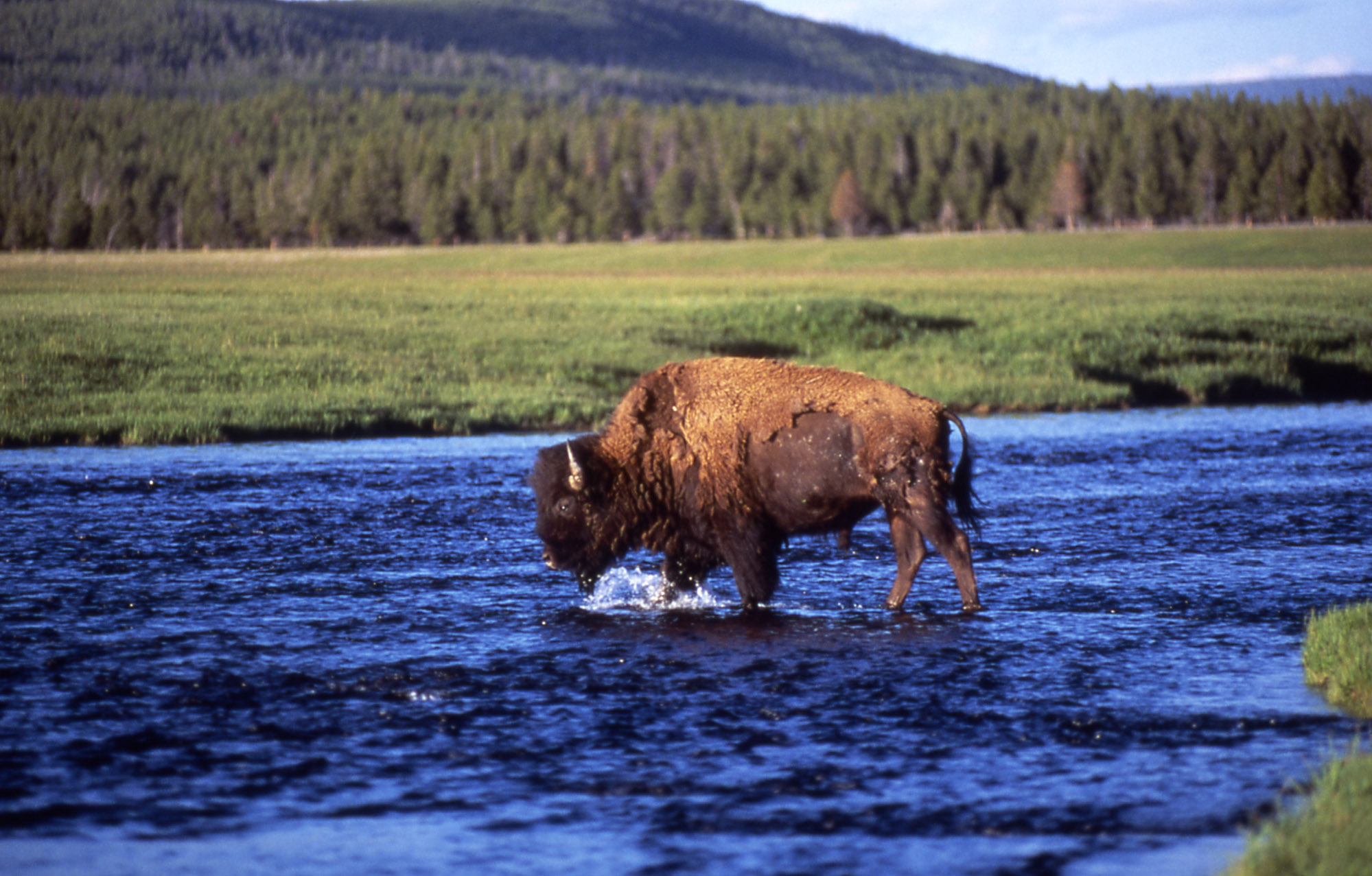
    .. Bits of protoplasm get transported between watersheds in wader seams, boot seams, boot laces, wet fly lines, wet nets, shaggy bison legs, waterfowl feet and feathers, hooves of ungulates, etc.
    .. The better solution is, of course, adequate cleaning of all wet and dry gear between drainages. This is a much tougher task and it is hard to legislate moral behavior. So be it!
    ----- 
    NOT BANNED
    .. "Invasive Species" is not a scientific term. It's a press-form term like fake news.
    .. Scare - scare - an invasion is coming.  Poobah: it's always coming!
    .. It really means, (usually in economic or æsthetic terms:) 'those things that will hurt me.'
    .. It is a term designed to scare the shit out of folks that know not the way of species propagation and migration.
    .. Highly adaptive species move from one landscape to another landscape as pioneers. It is a constant process. The scientific term is "Pioneer Species."
    .. Depending on their 'adaptability' these pioneers die, survive, or thrive depending on their in-built adaptability. We are all the product and result of pioneer populations - one way or another. POOP!
    .. The fight against "Invasive Species" is really a fight against folks, of the human variety,  moving biological bits through several environments. Fat chance it will be very successful!
    -----  
    MONTANA INSPECTORS
    .. WOW! Golly Gee Whiz! Now there is a boating season in Yellowstone National Park.
    .. Now, at last, we can enforce behavior.
    .. We can watch the volunteers and and seasonal employees guarantee that boats coming into the park are sterile and carry no pioneer species that are banned.
    MONTANA LEADS THE WAY
    .. We've seen it done. Nary a trailer hubcap was ever removed, (they do have drain holes - clogged?) Not a brush was used to scrub the mating of wheel to tire at the tire bead, (brushes must cost too much.)
    .. We do wonder if the water sloshing around inside the lenses of the lights is devoid of any protoplasm, (who knows these things?)
    .. Hip, Hip, Hurray - now there is an 'official' boat season. Now enforcement of clean boat hygiene will proceed in Yellowstone National Park - we're pleased to see it. Montana has been at it for several years.
    -----  
    ., Infrequently we get to fish the Yellowstone River. We did just a bit ago. We saw too many dead fish: Trout and Whitefish.
    .. We noted it in a blog post and mentioned it to the counter help at the local fly shop. They put it down to the hot river water and the hot air temperature.
    YELLOWSTONE RIVER TROUT
    .. Not being familiar with the river we accepted that explanation and went home - pooped and dry.
    .. Come to find out there may be a far more sinister possibility that has been uncovered by the folks at "Montana Trout" the online fly fishing magazine.
    .. Shitty water may be a contributing factor and it may have been hidden by the Montana Department Of Fish Wildlife and Parks - or maybe not.
    .. Read the lurid details here,  (just click on the magazine image and turn to page 39.)
    -----  
    .. Yesterday when the neighbors got back from a mad dash down canyon to fish the Gallatin River they assembled at their corner booth and told stories.
    .. One of the stories was that the turd whirlers at big sky were burbling over the edge again, (see our old post here.)
    .. This is absolutely unverified!!  But, fishers from that down canyon bit of water had a cold one with the neighbors and said that there were turds floating in Yellow Mule Creek and the West Fork of the Gallatin River.
    .. They attributed it to the increased visitation of rich wealthy very wealthy ludicrously wealthy folks in their enclave and, the rapid freeze-thaw cycles that we've been having.
    .. Dear, dear, dear,  grandma seems to have been prescient. A bunch indeed.
    -----  
    .. The sky has become leaden and there is a flake or two wafting about. The porch light is working just fine now and the trusty horse is still accessible.
    .. The neighbors will be knocking  pounding beating on the door at any minute. Best to put on some glad rags and enjoy the day.
    -------  
    WALLPAPER: 'BURGER STEAK AND EGG BREAKFAST

    Monday, February 12, 2018

    To A Stream Near You

    ALL DAUGHTERS
    All Sisters
    all very invasive
    MOTHER AND DAUGHTERS
    -------
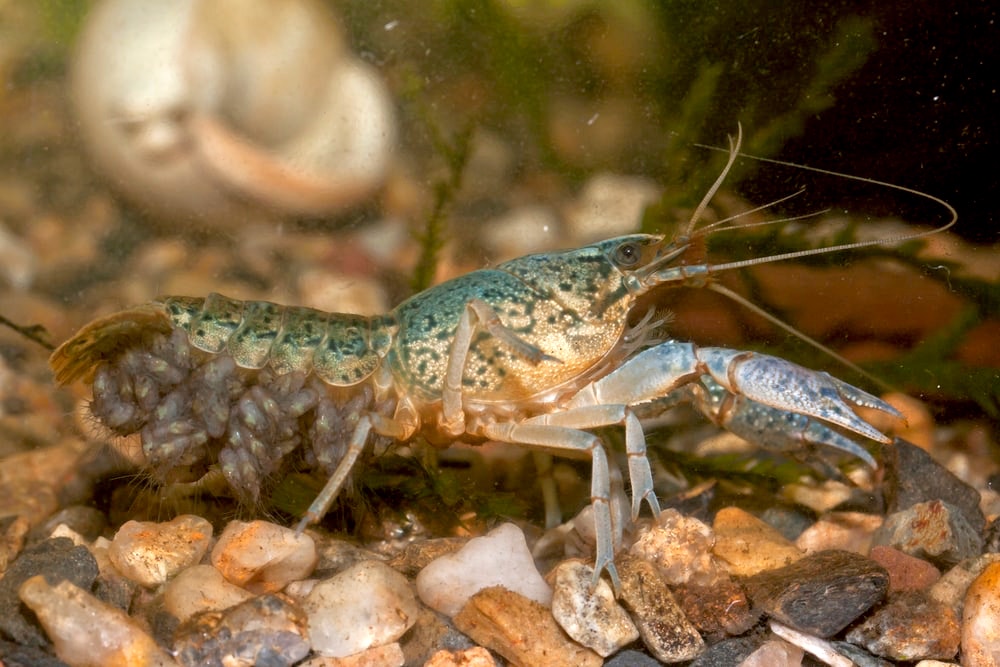
    .. Parthenogenetic crayfish have hit ebay.
    ..You can bet that they will soon be in a stream near you.
    LOCAL PICKUP ONLY
    .. In a nutshell: these arthropods reproduce asexually, they are very successful, widely adapted, loved by aquarists, and found in wild populations around the world.
    .. They are currently banned only in Missouri and Tennessee.
    .. No wild populations have yet to be found reported in the United States.
    .. Wanna' bet on the possibility? Wanna' guess where they are first to be discovered reported?
    .. Fish eat crayfish. Large and small mouth bass love them. Big trout of all stripes devour them. These critters are named in the popular vernacular as "Marbled Crayfish."
    .. Currently there is a scientific debate about their scientific name and classification.
    .. Are they "Marmorkrebs," or "Procambarus fallax [forma] virginalis," or "slough crayfish?"
    .. They were apparently discovered in the EVERGLADES in 1995 and taken to a pet fair.
    .. They quickly made their way into the aquarist world and were given the name marmorkrebs, (which means marbled,) in Germany. Popular myth has them being discovered in Germany.
     .. These crayfish are apparently a 'natural' mutation, (who knows given the sewer that the Everglades is?) The academic question now arises: are they invasive or, just exotic or, just successful?
    .. It's taken 20 years for folks in this part of the planet to become concerned. Now then, what to do?
    .. Scientists, medical researchers, and taxonomists are having a field day with the critters and their asexual nature. Fisher folks have seemed rather blasé about it all.

    RESOURCES
    >> NATIONAL GEOGRAPHIC
    >> Nature Ecology & Evolution
    >> Science Friday
    >> The Guardian
    >> BBC World News
    >> Nature (PDF)
    >> Wikipedia
    >>
    ..
    -----
    .. Another 'warm' day is on tap and the neighbors have already beat down the door for coffee and grits. They are off to visit the clouds of midges Between The Lakes.
    SMALL LIGHT SPRUCE MATUKA
    .. Morning is strictly a nymph and small streamer game.
    .. In the bright sun of the early afternoon the snow flies seek perches in anything above the well trodden snow.
    ..Fisher Folks' ears are good landing places.
    .. We'll see them later on.
    ------- 
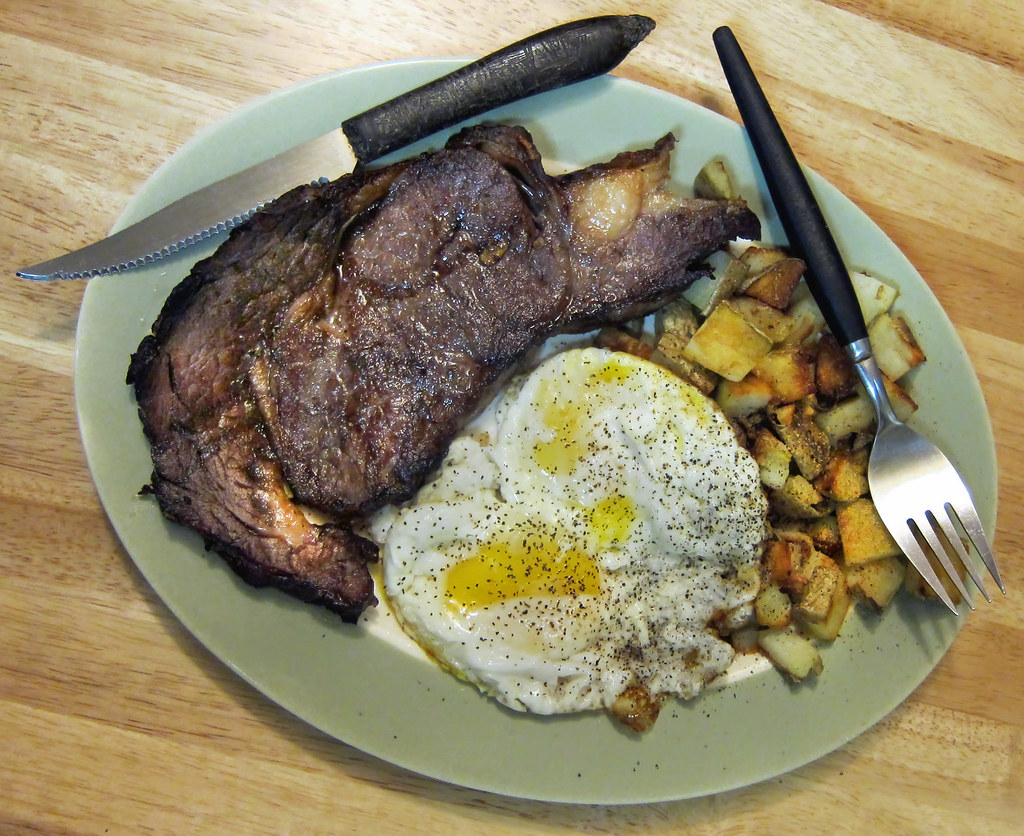
    WALLPAPER:  RIB STEAK AND EGGS


    Thursday, August 10, 2017

    Upcoming Slaughter In Yellowstone

    WITH ALL DUE HASTE
    Strut Your Stuff
    use the best science
    Parasitic Mobility Of Aquatic Species - NPS
    -------

    PRELUDE

    .. Let's be clear about one thing: the term "INVASIVE SPECIES" is not a scientific term. It is a psychologically derived linguistic derision of something that some human beings dislike.
    .. It is similar to the term used by gardeners and others who love the idea of a manicured lawn or garden: "WEEDS." Weed is not a scientific term either.
    .. The folks in the cultural matrix that use these terms are driven by social and economic forces in time specific contexts. With no scientific basis or definition it is easy to attack the weeds of this world. Just call them undesirable.
    .. When science is employed to rationalize the removal of weeds it is used to define effects that are culturally or economically adverse to vested interests in the status quo.
    .. The most appropriate term, (with scientific credence,) is "PIONEER SPECIES." Pioneer species are those species that, for whatever reason, are able to adapt to a wide range of conditions and spread their populations into new environments.
    .. This world of ours is based on the successes and failures of pioneer species. Human beings are pioneer a species, so are dandelions.
    INTRODUCED MUD SNAILS - NPS
    .. In fact, most species are now or have been in the past, pioneer species. We owe the diversity of our planet and it's wonderfully complex biological milieu to the spread, expansion, success or failure of pioneer species through time and place.
    .. Plants and animals have generally different modes of expansion into new environments. Seed dispersal and pollen rain allow many plants the mobility necessary for expansion. Autopropulsion like walking, running slithering, etc. allow many animals entry into new environments.
    .. Symbiotic, (or parasitic,) mobility allow both plants and animals to enter new environments. Fleas on a dog and seeds in your pants cuff are examples of symbiotic, (or parasitic,) mobility.
    .. In Yellowstone National Park the bureaucrats have chosen to use the term invasive species. It's a bugaboo word laden with severe impact on the mindset of journalists, visitors, fisher folk, and legislators.
    .. The selective use of the term is a conscious effort to garner support for actions that may not have any relevance or scientific validity when addressing most actions that bureaucrats would like to implement.
    .. It is in the worst sense "FAKE NEWS." Honest scientists use scientific terms and honest scientific arguments when contemplating proposed actions.
    -----
    .. Yellowstone National Park has 11 aquatic fish species that were present when the Euro Americans entered the park: Arctic grayling, cutthroat trout (Yellowstone and westslope,) mountain whitefish,  dace (speckled and longnose,) redside shiner, Utah chub,  sucker (mountain, longnose, and Utah,) mottled sculpin.
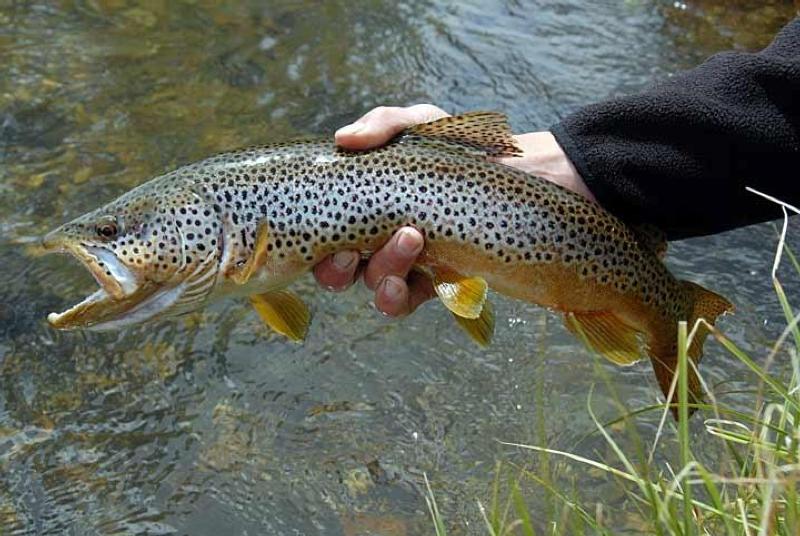
    Introduced Species, Brown Trout - NPS
    .. Parasitic mobility by park managers introduced rainbow trout, lake trout, brown trout, lake chub, brook trout, among others that have failed to survive.
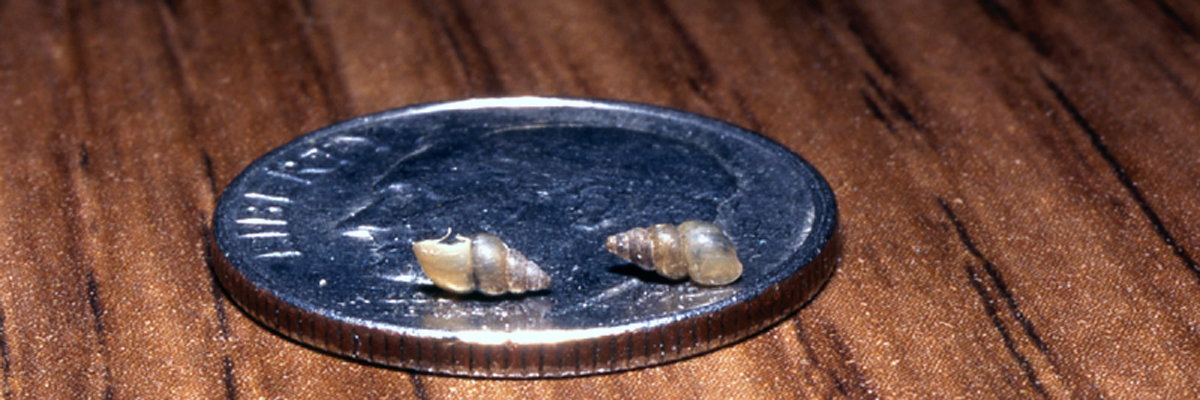
    .. Other non-fish species have entered park waters through parasitic or symbiotic mobility: Myxobolus cerebralis, (the parasite that causes whirling disease,) Melanoides tuberculatus, (that small snail that home aquariums use,) Potamopyrgus antipodarum, (the other small mud snail in the water.)
    .. When park managers introduced the non-indigenous species they did it with the socioeconomic purpose of providing recreational and mercantile opportunities.
    .. That purpose was achieved. There was no science involved. The purpose was pure and simple: catch more fish, sell more bait and gear, attract more fishers = success.

    - END OF PRELUDE -

    "To-morrow, and to-morrow, and to-morrow,
    Creeps in this petty pace from day to day,
    To the last syllable of recorded time;
    And all our yesterdays have lighted fools
    The way to dusty death. Out, out, brief candle!
    Life's but a walking shadow, a poor player
    That struts and frets his hour upon the stage
    And then is heard no more. It is a tale
    Told by an idiot,  full of sound and fury
    Signifying nothing."
    _-_-_- Will . . . baby.
    .. Now, with the need to garner public support, current non science using managers are mounting another socioeconomic effort to murder both indigenous and pioneer species in the waters and on the land of Yellowstone National Park.
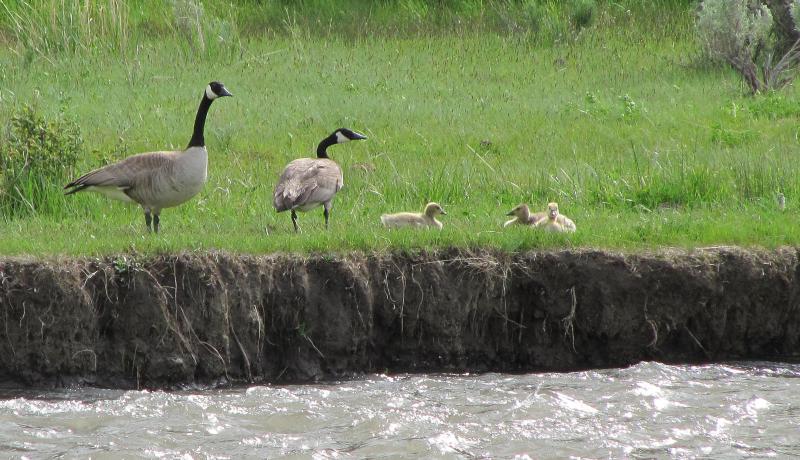
    Pioneer Species Carriers - NPS
    .. The ducks and geese of Yellowstone carry pioneer aquatic, (and terrestrial,) species on their feet from watershed to watershed, (including seeds and spores and such.)
    .. Poison grain is a good way to eliminate ducks and geese - yea team.
    .. The furry legs of bison carry pioneer aquatic and terrestrial species from watershed to watershed, (also seeds and such.) Poison hay and oats is a good way to eliminate bison - yea team.
    .. Bears and coyotes catch fish and transport pioneer aquatic and terrestrial species from watershed to watershed, (also seeds and such.) Hunting with firearms and traps is a good way to eliminate bears and coyotes - yea team.
    .. Recreational bathers carry all sorts pioneer species from watershed to watershed in the seams of their bathing attire and accoutrements of fun. Bathing in the nude will mostly eliminate this transportation, (save for extreme hirsute human specimens) - yea team
    Transport of Pioneer Species - NPS
    .. Eagles and hawks are notorious transporters of aquatic pioneer species. A federal law can be enacted to ban these birds from the park - yea team.
    .. Fisher folks transport both terrestrial and aquatic pioneer species from watershed to watershed.
    Rubber Soled Boot Laces
    .. The species are in the seams of their gear, the Velcro of their fashion statements, the laces of their shoes, the mud on their spats and cleats of their rubber soled shoes and boots, and the flies that stay tied on tippets.
    .. The wet interiors of fly boxes harbor great environments for pioneer species. Oh, and the felt soles of some waders.
    .. The most effective solution to the high mobility fisher problem is to ban fishing. Ban fishing for the introduced fish. Ban fishing in waters with new pioneer species. Ban fishers and other visitors from walking in park lands where pioneer vegetation or aquatic pioneers exist - yea team.
    -----
    Rubber Soled Wading Apparel
    .. The human population of fly fishers is predominately a group of followers: follow the neighbors, follow the fly club, follow the bar crowd, follow the latest fly trend, follow the latest gear trend, follow the lead of assertive individuals - groups - etc.
    .. They are currently being led by the nose into believing jargon without definition or scientific validity. Many better terms can be used for "Invasive Species."
    .. Try introduced. Try non indigenous. Try successful pioneer species. Try economic augmentation by species introduction. There are many good and valid terms that can be sensibly used. They can be defined with precision and used in cogent arguments.
    .. Even scientists, who should know better have begun to use the term - as if everybody agreed on the definition. Such a sad state of affairs. Writing papers and books with inflationary language. Just who reads this tripe without a challenge?
    .. Of course grant seekers, wader producers, managers, and others enjoy using the term "INVASIVE SPECIES." It can bring most fly fishers into line without a whimper. The scare tactics are blatant and transparent.  "Look Matilda - A common enemy!"
    .. Shame on the managers of Yellowstone National Park. Shame on them for not defining the terms they use. Shame on them for seeking the economic solution to the mobility of introduced species. Shame on them for their proposed ban on felt soles for wading foot gear. Shame on them for introducing the idea that somehow wading gear without felt soles is even safer for fishers.
    .. Shame on their alliance with the followers and the merchants. Shame on their idiosyncratic world view that does not rely on science. Shame on them for not seeking public input for this and so many other actions taken on a whim.
    .. Banning felt soles on waders and wading shoes, and wading sandals has not been shown to eliminate the transport of introduced species. Using wading apparel with rubber and metal cleated soles has not been proven to eliminate the transport of aquatic species.
    .. Appropriate cleaning and sterilizing of gear has, indeed, been shown to reduce or eliminate the transport of introduced species.
    .. If Yellowstone National Park Managers choose to inspect boats should they not also choose to inspect all waders and all fly boxes and all cuffed pants and all cuffed swimwear?
    .. We wonder if they are trying to legislate morality or reduce the transport of introduced species. Perhaps just enhance wader sales!
    .. We doubt that they will kill all the ducks, geese, bears, moose, elk, bison, coyotes, eagles, osprey, and wolf in the park. We wonder: have valid scientific data shown that these critters are less of a transport mechanism? Please let us know.
    .. The biology of planet earth demands pioneer species. The continued success of life on planet earth depends on the adaptability of all species to the environments that life finds itself in. Adaptability can be biological or behavioral.
    .. Evolutionary change can be adaptive or adjustive. Many adjustive responses are in fact maladaptive = leading to death and extinction.
    .. We wonder if the proposed ban on felt soles is adjustive or adaptive? Please let us know.
    .. If Yellowstone National Park, and the fishing gear industry, and fishers of all stripes are serious about the reduction in transportation of introduced species then, an educational campaign would be more effective than just the passive banning of felt soled wading footwear.
    .. However, active educational campaigns require commitment, persistence, and longevity. Probably too much of a committed effort for the managers and industry.

    -----
    Resources
    >> Felt vs. rubber: Bozeman Daily Chronicle,
    >> Economic Impacts of Aquatic Invasive Species: EPA,
    >> Fish and Aquatic Species: NPS,
    >> New Zealand Mud Snail: NPS,
    >> Essentials of Conservation Biology: Primack,
    >> Extremely High Secondary Production Of Introduced Snails In  Rivers: Hall, et al.
    >> Invasive Species Impact: Asymmetric Interactions Between Invasive And Endemic Freshwater Snails: Riley, et al.
    >> Potamopyrgus antipodarum: distribution, density, and effects on native macroinvertebrate assemblages in the Greater Yellowstone Ecosystem: Kerans, et al.
    >> Assessing the effects of climate change on Aquatic Invasive Species: Rahel & Olden.
    >>
    -----
    .. Time for a visit to the cooling waters of the Firehole River. Afternoon showers and cool nights have jiggled the psyche of the fish and the fishers.
    -------
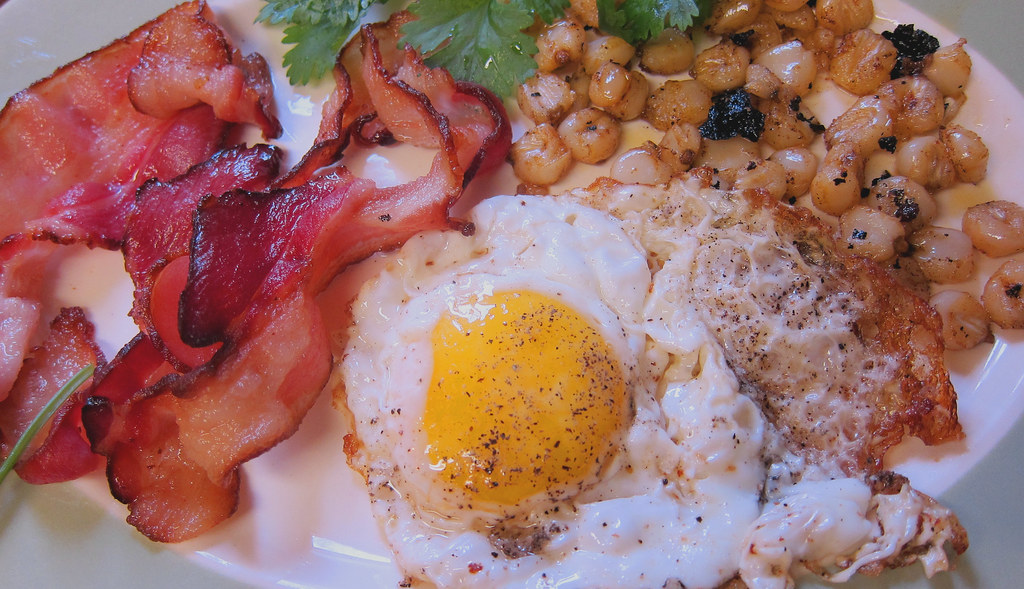
    WALLPAPER:   BACON, EGG AND HOMINY


    Wednesday, January 11, 2017

    Microscopic Invasion

    OUR SALMON GOT IT
    Get Your I.D. Right
    this can get you
    CDC Emerging Infectious Diseases
    -------
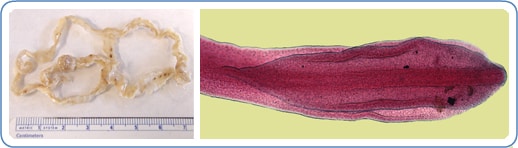
    .. Back in 1999 the Centers for Disease Control, (CDC,) suggested the possibility that Diphyllobothrium nihonkaiense could be present in North American Salmon, (LINK-A.)
    CDC  Diphyllobothrium latum
    ..  The genus  Diphyllobothrium is the largest tapeworm that can infect humans and can grow to 30 feet.
    .. Because of range and migration changes for salmon populations over the last two decades the CDC noted the possibility of the tapeworm genus moving into the Eastern Pacific Salmonid populations.
    .. Now the occurrence of the genus has been confirmed in North American Populations of Pink Salmon, [Humpies,] Oncorhynchus gorbuscha.
    .. The current CDC EID Journal contains an "Ahead of Print" note about research that shows Diphyllobothrium nihonkaiense Tapeworm Larvae in the salmon  (LINK-B.)
    .. Humpies are the smallest and most numerous of the Pacific Salmon and account for the majority of the 'wild caught' salmon in the Pacific by both Russian and North American fishing fleets.
    From Wikipedia
    .. Something in the neighborhood of 500,000 tons of fish are taken annually. These are the fish that are most often canned, smoked, salted and made into cat food, DAMN!
    .. The research also suggests that many misidentifications of the tapeworm in wild fauna, (bears, wolves, foxes, etc.,) attributed to Diphyllobothrium latum may in fact be attributed to the Japanese Tapeworm Diphyllobothrium nihonkaiense.
    .. Other salmonids in the Northwestern Pacific have also been found to be infected with both species of tapeworms.
    .. Because transportation of most wild caught salmon is on ice, the resurgent population of the tapeworm is of concern to folks that eat wild caught salmon. 
    ..  Recently CNN ran an interesting note about the occurrence of the tapeworm, its distribution, possible infection vectors, symptoms in humans, and what to do if you eat sushi (LINK-C.)
    .. We're going to have some kippered herring and soda crackers with a bit of cream cheese.
    -------
    WALLPAPER:  CAPELLI D'ANGELO & SAUSAGE GRAVY


    Friday, January 06, 2012

    Of Lake Trout & Grizzly Bears

    WORLD HERITAGE REPORT
    Highlighting Fish & Bears
    the state of the park

    -------
    .. We note, (from the BILLINGS GAZETTE,) that there are some things that need attending to in Yellowstone National Park.
    .. The park is asking for it's funding partners to come up with an additional $1,000,000 each year for the next 6 years to enhance the Lake Trout Eradication efforts in Yellowstone Lake.
    .. The Grizzly population in Yellowstone National Park is so genetically isolated that the park may have to import bears to increase the genetic diversity.
    .. Bison management inside of and outside of the park remains a concern. And so it goes.

    Wednesday, January 04, 2012

    Counterattack!!

    JUDAS FISH REPORT
    Underwater Receivers
    plus Transmitters on Fish
    National Park Service biologist Brian Ertel and Student Conservation Association volunteer Jessica Dugan surgically implant a sonic transmitter into a lake trout in this photo. Increased efforts to capture invasive lake trout in Yellowstone Lake are paying off. This summer the catch rate increased substantially. Photo: National Park Service
    -------
    .. The counterattack on Lake Trout in Yellowstone lake continues. Read about it HERE. And HERE.
    -------
    .

    Saturday, January 29, 2011

    Just Like Falling Dominoes

    IT'S A SIMPLE EXAMPLE
    With A Complex Result
    see the ecological transformation of
    flathead lake

    -------
    .. By now, it would seem, that interested and informed fly fishers are aware of the Lake Trout situation in Yellowstone Lake. They are probably aware of the rapidly vanishing native species in Yellowstone National Park, as well.
    .. Sadly many of our neighbors, (guides and feather merchants as well,) have poo-pooed the need to do anything about the conservation of native species. They say, sadly: "A trout is a trout, is a trout. I just want to catch them."
    Opossum Shrimp

    .. Many of our influential neighbors and famous fishers have remained silent on the matter; avoiding the scoping meetings and public comment forums that the NPS has held on the current EA for the Native Fish Conservation Plan, (LINK #1, LINK #2.)
    .. We read with great interest the recent article in NEW WEST. The story is about the complex interaction of species in Flathead Lake.
    .. A recent paper published in the Proceedings of the National Academy of Sciences details how the introduction of a small non-native crustacean, (the Opossum Shrimp - Mysis diluviana,) has totally altered the ecology of a large lake.
    .. It has changed algae production, nearly eliminated Kokanee Salmon, enabled Lake Trout population explosion, and endangered the native Bull Trout.
    .. The paper details a classic example of a trophic cascade that has been well documented since it's inception in 1968.
    LAKE TROUT
    .. The excellent summary in New West informs us that the introduction of the shrimp to were to provide food for Kokanee Salmon which were planted in the 20's. As it turns out the shrimp devoured the Kokanee's food and proliferated.
    .. Their population explosion provided an abundant food source for the introduced Lake Trout and allowed the Lake Trout population to grow to the point where the Kokanee Salmon and the Bull Trout are now being eaten at a rapid clip by the Lakers.
    .. Another by product of the trophic cascade is the increased growth of algae.
    MONEY QUOTE:
    "After the mysis explosion kokanee disappeared, bull trout declined, and lake trout came to be the dominant top predator, according to the study. This led to an increase in algal production because the shrimp ate up larger zooplankton, decreasing their levels and allowing smaller types of zooplankton to proliferate, Stanford explains. He says this changed the way the zooplankton “mow the lawn,” or consume algae: smaller zooplankton are less efficient consumers and allow algae room to grow."
    .. We note that "simple" is seldom a concept that can be applied to ecological change. Both Yellowstone National Park and Flathead Lake, (as well as many other areas around the country and the world,) have suffered the consequences of actions in the past.
    .. "While the future might hold unexpected outcomes, for now fisheries managers have their hands full dealing with the legacy of shrimp and a misinformed decision from the past."
    -------
    LINK
    .

    Friday, January 14, 2011

    Short Time Coming

    KISS YOUR FELT GOODBYE
    And Your Ass Too ?
    will you sterilize your rubbers ?

    -------
    .. Briefly: Montana introduces legislation to ban felt soled waders. Check out the posts at The Trout Underground and comments at The Headhunter. Read carefully the comment by Earl James. We're not home free yet!
    .. The tons of soil and supposed included micro organisms moved around by wading fishers is documented in a masters thesis from MSU, (LINK.)
    .. The proposed amended Montana Legislation is HERE. And, just like the U.S. Congress exempts itself from many of the laws it makes, Montana exempts it's employees and emergency personnel from the ban. Is there a message here?
    .. We're sure that this is not a cure all; and, further believe that the wader manufacturers still need to go a long way into providing better gripping rubber, (or whatever,) soles.
    .. We predict that sales of the wading staff will skyrocket in the near future.
    .. We also predict that there will now be less cleaning of wading gear, (including the newly-sold wading staffs,) than prior to the legislation
    .. How about some legislation mandating the cleaning of wading gear? See how far that boat floats!
    -------
    .

    Thursday, December 23, 2010

    Short Fuse, Comments Needed

    20 YEAR EFFORT
    Comment Now
    no whiners

    -------
    .. The NATIVE FISH CONSERVATION PLAN is designed as a major effort to respond to the diminished stocks of native fish in Yellowstone National Park.
    .. The Environmental Assessment is now open for public comment.
    .. Mark your calendars; only two public meetings are scheduled:
    * Bozeman, Montana: January 5th from 6:00 to 8:00 p.m., at the Comfort Inn, 1 370 North 7th Avenue
    * Cody, Wyoming: January 6th from 6:00 to 8:00 p.m., at the Holiday Inn, 1701 Sheridan Avenue.
    .. Written comments may be submitted through the project web site, in person, by mail, or at either of the scheduled public meetings. Comments will not be accepted by phone, fax, or e-mail. All public comments must be received or postmarked by midnight, January 31, 2011.
    ..  Here are the important Links:
    ==> Project Home Page,
    ==> Project Plan Process,
    ==> Meeting Notices,
    ==> Project Links,
    ==> Document List,
    ==> Comment Form.
    -------
    .. The scoping meeting in West Yellowstone last April was poorly attended. No feather merchants were present, one local guide was present, and a handful of concerned fishers attended.
    .. Input by these few interested parties helped shape the current document that is now open for review.
    .. The EA addresses Lake Trout in Yellowstone Lake, other invasive species throughout the rivers in the park, the effects of climate change on native species, and disease.
    .. Conservation efforts addressed include: increased gill netting in Yellowstone Lake, establishing barriers and weirs, removing non native species, restoring native populations, and a host of other actions including poisoning fish populations.
    .. The key concept is conservation. The actions taken to implement this can be extensive, varied, and vast.
    .. It's important that input at this time be concise, reasoned and rational. It will help steer the project and will certainly affect the fishscape of the future.
    .. Please understand that, at base, this addresses the question of "What Is The Purpose Of Yellowstone National Park." Several guides have remarked that it does no good to replace one trout with another. They are just concerned with catching any fish.
    .. Many guides and fishers of the park will be voicing opinions that catching fish, (the more - the better,) is what the park should provide.
    .. There are others that feel it's important to remove all invasive species such as Rainbow Trout, Brown Trout and Brook Trout to foster the recovery of native Cutthroat Trout & Grayling(?).
    .. Many feather merchants feel that the role of Yellowstone National Park is to provide fishing opportunities for recreational fishing, (and an economic base for their enterprise.)
    .. Some conservationists believe that the only way to enable preservation of native fish is to "restore" the park to "natural" conditions, including removal all planted stocks of fish, (which is a large segment of the current fishable populations.)
    .. Definition of terms and concepts will be argued and explored at the public meetings and in the submitted comments. Many oxen could be gored by this project.
    .. The subtext of comments will be interesting to observe, as will the rationale behind the proposed actions in those comments.
    .. Some fishers of Yellowstone have opined that since Brown Trout have been in the rivers for over 100 years that they are "native."
    .. Does that make Lake Trout native if they survive another 70 years?
    .. In another 100 years what will the descendants of those fishers say about Rock Snot, New Zealand Mud Snails, and other yet unforeseen invasive species?
    .. As the waters warm will we see Yellowstone become a trophy fishery for Carp and Chubs and Largemouth Bass?
    .. What will happen if some fool decides to dump Northern Pike or Muskellunge or Lake Trout in Hebgen Reservoir, right at Yellowstone's door?
    .. Your input is necessary for the decision making process. We're talking about the future and how history will view the legacy that we leave.
    .. Make no mistake about it, this is a significant project. It will last for 20 years, (1/5 of the next 100 years.) It will significantly affect the definition of Yellowstone National Park and it's role in species conservation and recovery.
    .. It will also determine who fishes where and for what in the park. It is an historic effort that demands you input and your concern for how Yellowstone is defined: a fun and profitable fishery for visitors seeking "non-native," invasive trout or a refuge for indigenous species - or both.
    -------
    .